
Teeth Grinding (Bruxism)

At Park St Dental Practice, we assess and manage teeth grinding (bruxism), headaches, and TMJ disorders (Temporomandibular Joint Dysfunction). These conditions can cause ongoing headaches, jaw pain, facial discomfort, and other symptoms that may significantly affect your comfort, sleep, and quality of life.

Teeth Grinding (Bruxism)

At Park St Dental Practice, we assess and manage teeth grinding (bruxism), headaches, and TMJ disorders (Temporomandibular Joint Dysfunction). These conditions can cause ongoing headaches, jaw pain, facial discomfort, and other symptoms that may significantly affect your comfort, sleep, and quality of life.

Bruxism can occur during sleep or while awake, and many people are unaware they grind or clench their teeth until symptoms develop or a partner notices grinding sounds at night.

By managing teeth grinding early, we help protect your smile, reduce jaw pain, and prevent long-term damage to your teeth and jaw joints.

What Is Teeth Grinding (Bruxism)?

Teeth grinding — medically known as bruxism — is the involuntary clenching, grinding, or gnashing of the teeth that is not part of normal chewing or speaking. It commonly occurs:

         During sleep (sleep bruxism)


         While awake, often during periods of stress or concentration (awake bruxism)


If left untreated, bruxism can lead to excessive tooth wear, jaw muscle soreness, and strain on the temporomandibular joints (TMJs).

Common Signs & Symptoms

You may be experiencing bruxism if you notice any of the following:


         Grinding or squeaking noises during sleep


         Sore, tight, or tired jaw muscles, especially in the morning


         Clicking or popping sounds when opening or closing the mouth


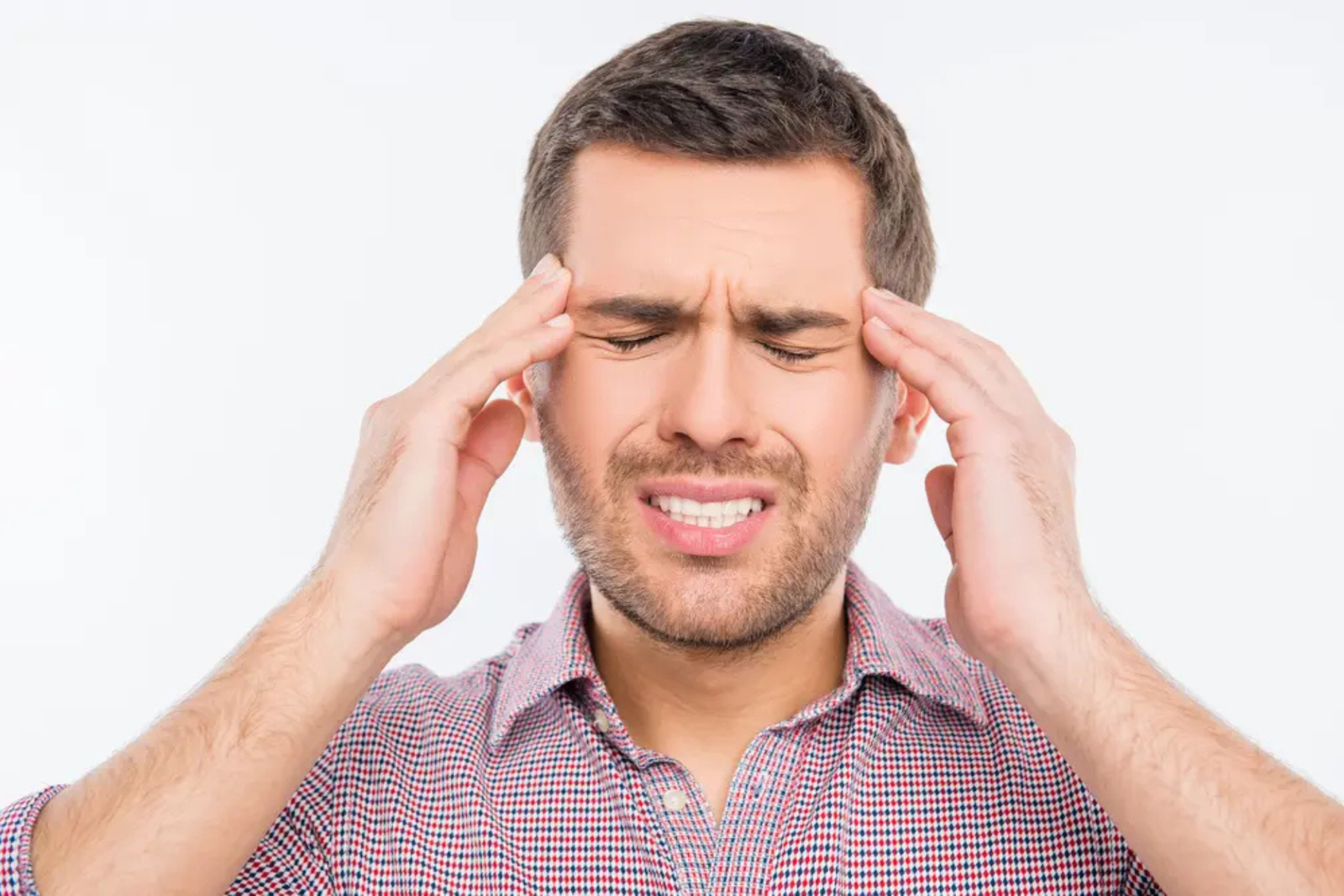
         Frequent headaches or facial pain


         Neck, shoulder, or lower back pain


         Worn, chipped, or cracked teeth


         Damage to fillings or crowns


         Increased tooth sensitivity


         Poor sleep, fatigue, anxiety, or low mood


         Bruxism can also contribute to TMJ discomfort and disturbed sleep for you or your partner.

What Causes Teeth Grinding?

Bruxism does not have a single cause and is often linked to a combination of factors, including:

         Stress and anxiety


         Sleep disturbances, such as snoring or sleep apnoea


         Bite imbalance (Malocclusion)


         Jaw muscle tension


         Lifestyle factors such as caffeine or alcohol consumption


Your dentist will assess your symptoms, bite, and dental wear patterns to help identify contributing factors and guide treatment.

Diagnosis & Assessment

During your consultation at Park St Dental Practice, our dentists will:


         Review your dental and medical history


         Discuss your symptoms and concerns


         Examine your teeth, jaw muscles, and bite


         Assess signs of tooth wear or damage


         Consider lifestyle and sleep-related factors


This thorough assessment allows us to develop a personalised and holistic treatment plan tailored to your needs.

Treatment & Management Options

Treatment for bruxism focuses on protecting your teeth, relieving discomfort, and addressing contributing factors.

Mouthguards and Occlusal Splints

Custom-made night guards (also known as occlusal splints) are designed to fit your bite precisely. They help protect your teeth from grinding forces during sleep while reducing strain on the jaw joints and muscles.

Behavioural and Lifestyle Strategies

Managing stress, improving sleep habits, and increasing awareness of daytime clenching can significantly reduce symptoms. Simple techniques such as jaw relaxation exercises and avoiding stimulants in the evening may support long-term improvement.

Additional Dental Care

If bruxism has caused damage to your teeth or restorations (such as fillings or crowns), restorative dental treatment may be recommended as part of your overall care plan.

Why Early Treatment Matters

While bruxism may seem minor initially, ongoing grinding or clenching can lead to:


         Progressive enamel wear


         Cracked or chipped teeth


         Increased tooth sensitivity


         TMJ discomfort and jaw pain


Early assessment and intervention help preserve your oral health, reduce pain, and prevent more complex dental issues in the future.
During your consultation, we will assess your oral health and jawbone structure to determine the most suitable treatment plan for your needs.

Book Your Assessment Today

If you suspect that you or a loved one may be grinding their teeth, or if you’re experiencing jaw pain, facial discomfort, or morning headaches, contact Park St Dental Practice today.

We’re here to support your comfort, protect your smile, and help you sleep easier.

Park St Dental Practice

today. We’re here to support your comfort, protect your smile, and help you sleep easier.

Happy Patients

What Our Patients Say About Us